16 ديسمبر .
2 دقيقة قراءة .
 570
570
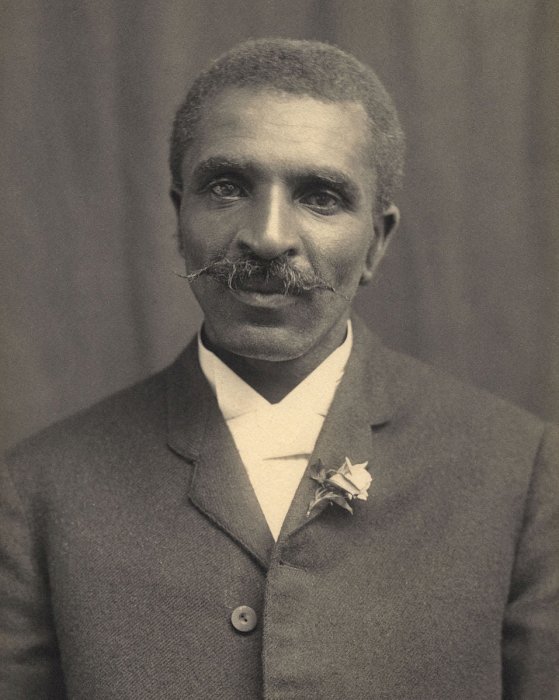
George Washington Carver had a difficult start in life. Born sometime around 1864, his father died shortly before George's birth, likely from an accident when he was out hauling wood. And only weeks after birth, slave traders kidnapped George and his mother. Rescued would not be an apt term; recovered is more appropriate. But the group sent out to find him and his mother exchanged a horse for the young boy. His mother, however, was lost to the traders. Less than two months old, and George was already an orphan.
Often sick, frail, he was not expected to live. But live he did, and from a young age, he showed much devotion to work and a desire for learning. He was curious, and as he'd roam the woods near the Carver home, exploring flowers, trees, rocks, and birds, he began asking questions about their purpose.
While much of his education early on was self-motivated, he began formal schooling at ten. He learned of a school about eight miles from the Carver home. And without any money or a new home, he left the Carver's to attend this school, living in an old barn while doing odd jobs to earn money to survive. Eventually, he was adopted into a family there.
Education for George would continue through completing a Master's Degree in agriculture from Iowa State University in 1896. After which, he took a job as Head of the Agricultural Department at the Tuskegee Institute in Alabama.
As an agricultural scientist and inventor, his goal was to help farmers improve their lives by earning more from their crops. He found hundreds of uses through his research of peanuts in particular and other products such as sweet potatoes and pecans. His work was instrumental and impactful. Between 1915 and 1918, acreage for peanut cultivation grew from half a million to over four million acres.
After George passed away in 1943, Franklin D. Roosevelt sent a message that said: "All mankind are the beneficiaries of his discoveries in the field of agricultural chemistry. The things which he achieved in the face of early handicaps will for all time afford an inspiring example to youth everywhere."
—
Sources: "From Captivity to Fame or the Life of George Washington Carver by Raleigh H. Merritt, Meador Publishing Company, 1929 / Documenting the American South, University of North Carolina at Chapel Hill / Labode, Modupe. The Public Historian, vol. 30, no. 3, 2008, pp. 111–114. JSTOR, www.jstor.org/stable/10.1525/tph.2008.30.3.111. Accessed 16 Nov. 2020 / Missouri Department of Agriculture /
Tuskegee University Archives/Museum & Wikimedia Commons
—
To join our mailing list: https://historicalsnapshots.substack.com
Original post: https://historicalsnaps.com/.../a-snapshot-biography-of.../
كان جورج واشنطن كارفر بداية صعبة في الحياة. ولد في وقت ما حوالي عام 1864 ، وتوفي والده قبل وقت قصير من ولادة جورج ، على الأرجح من حادث عندما كان ينقل الحطب. وبعد الولادة بأسابيع فقط ، اختطف تجار الرقيق جورج ووالدته. لن يكون الإنقاذ مصطلحًا مناسبًا ؛ تعافى هو أكثر ملاءمة. لكن المجموعة أرسلت لتجده وتبادلت والدته الحصان بالصبي الصغير. ومع ذلك ، فقد والدته أمام التجار. أقل من شهرين ، وكان جورج بالفعل يتيمًا. غالبًا ما كان مريضًا وضعيفًا ، ولم يكن يتوقع أن يعيش. لكنه عاش ، ومنذ صغره ، أظهر الكثير من التفاني في العمل والرغبة في التعلم. كان فضوليًا ، وبينما كان يتجول في الغابة بالقرب من منزل كارفر ، يستكشف الزهور والأشجار والصخور والطيور ، بدأ يطرح أسئلة حول الغرض منها. في حين أن الكثير من تعليمه في وقت مبكر كان له دوافع ذاتية ، بدأ التعليم الرسمي في العاشرة. علم بمدرسة على بعد ثمانية أميال من منزل كارفر. وبدون أي أموال أو منزل جديد ، غادر منزل كارفر للالتحاق بهذه المدرسة ، حيث عاش في حظيرة قديمة أثناء قيامه بوظائف غريبة لكسب المال من أجل البقاء. في النهاية ، تم تبنيه في عائلة هناك. سيستمر تعليم جورج من خلال إكمال درجة الماجستير في الزراعة من جامعة ولاية أيوا في عام 1896. بعد ذلك ، تولى وظيفة رئيس القسم الزراعي في معهد توسكيجي في ألاباما. كعالم زراعي ومخترع ، كان هدفه هو مساعدة المزارعين على تحسين حياتهم من خلال كسب المزيد من محاصيلهم. وجد مئات الاستخدامات من خلال بحثه عن الفول السوداني على وجه الخصوص ومنتجات أخرى مثل البطاطا الحلوة والجوز البقري. كان عمله مفيدًا ومؤثرًا. بين عامي 1915 و 1918 ، نمت مساحة زراعة الفول السوداني من نصف مليون إلى أكثر من أربعة ملايين فدان. بعد وفاة جورج عام 1943 ، أرسل فرانكلين روزفلت رسالة مفادها: "كل البشر هم المستفيدون من اكتشافاته في مجال الكيمياء الزراعية. والأشياء التي حققها في مواجهة الإعاقات المبكرة ستوفر له إلى الأبد مثال ملهم للشباب في كل مكان ". -
03 أغسطس . 1 دقيقة قراءة
19 سبتمبر . 1 دقيقة قراءة
01 أكتوبر . 1 دقيقة قراءة